
Designing and Building our Eco Cabins: From Sketches to Sustainable Stay

Early Design Concepts (2015)
This page outlines how we went about designing and building our Eco Cabins. When we first visited what is now our home, we instantly fell in love with the small woodland. It offered not only beauty and peace, but also the potential to support wildlife, regeneration, and nature connection. We saw it as a living system to be enjoyed, respected, and gently shaped.
Guided by permaculture ethics and design, we began reimagining how we wanted to live—and how we could welcome others to experience this way of life. From the outset, two core functions shaped our site design: accommodation and livelihood. Designing and Building two small woodland Eco Cabins would support both. Our intention was to embed permaculture principles not only in how we built the cabins, but also in how we run our business. These cabins help sustain our livelihood while offering space for guests, creative residencies, and even an emergency “lifeboat” if needed.

Detailed Cabin Designs (2016-17)
We named the cabins Siskin and Coll, drawing inspiration from the nature and culture around us. Siskin, a bright little bird common in these woods. Coll refers to the Ogham symbol for hazel—a tree associated with creativity and wisdom in Celtic mythology.
Rather than choosing a pre-fabricated design, we opted to build from scratch. This gave us full creative control and allowed us to align the cabins with both our aesthetic vision and our sustainability goals. We took inspiration from eco huts we’d seen on our travels and drew on Modernist, Japanese, Scandinavian, and Arts & Crafts traditions.
Here is an overview of how the cabin ‘patch design’ fits into the context and patterns of the whole site:

A Permaculture Stay in Action
Our 2.5-acre Permaculture LAND Centre offers guests a chance to experience sustainable living first hand. Every part of your stay encourages reconnection with nature, with slower rhythms, and with simpler ways of doing things. For example, using a foot pump to fill the kettle, heating water on a stove, or browsing our mini permaculture library invites reflection on daily consumption and comfort.
We also offer optional garden tours (by donation), hoping guests will leave not just relaxed, but inspired.
Designing and Building our Eco Cabins: Planning with Purpose
We’re deeply aware of the impact that second homes and holiday lets can have on local housing. Instead of converting existing buildings, we designed and built two modest cabins specifically for this purpose, applying for planning permission under updated Scottish hutting legislation. This legal framework exempts certain small structures from building regulations and supports sustainable land use.
Siskin Cabin opened in summer 2020, followed by Coll in April 2022. We now rent them out via Airbnb. While we understand concerns about the wider impacts of short-term lets, our purpose-built approach—off-grid, small scale, and seasonally operated—helps avoid these issues.


A Hand-Built and Low-Impact Journey
From 2018 to 2020, we poured time and care into the cabin build. The process included:
- Foundations and sheep wool insulation
- Timber framing and exterior sheathing
- Interior lining with natural and recycled materials
- Green roofs planted with sedum from seed and cuttings
The green roofs were a challenge, but seeing them buzz with insect life in summer is worth it. We planted them in a lightweight mix of crushed brick and compost, and directed gutters to feed into repurposed whisky barrel water butts.
We reused and repurposed materials wherever possible:
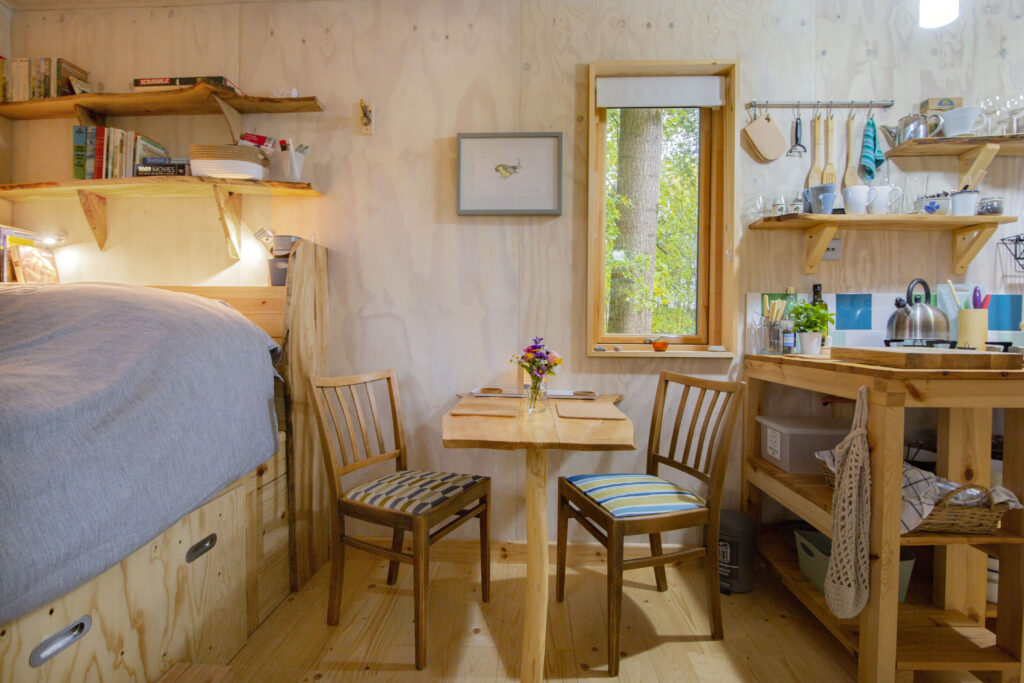
- Dining chairs came from Moray Waste Busters
- We crafted the cushions, curtains, and upholstery from reclaimed fabrics.
- Plastic milk bottles became lampshades
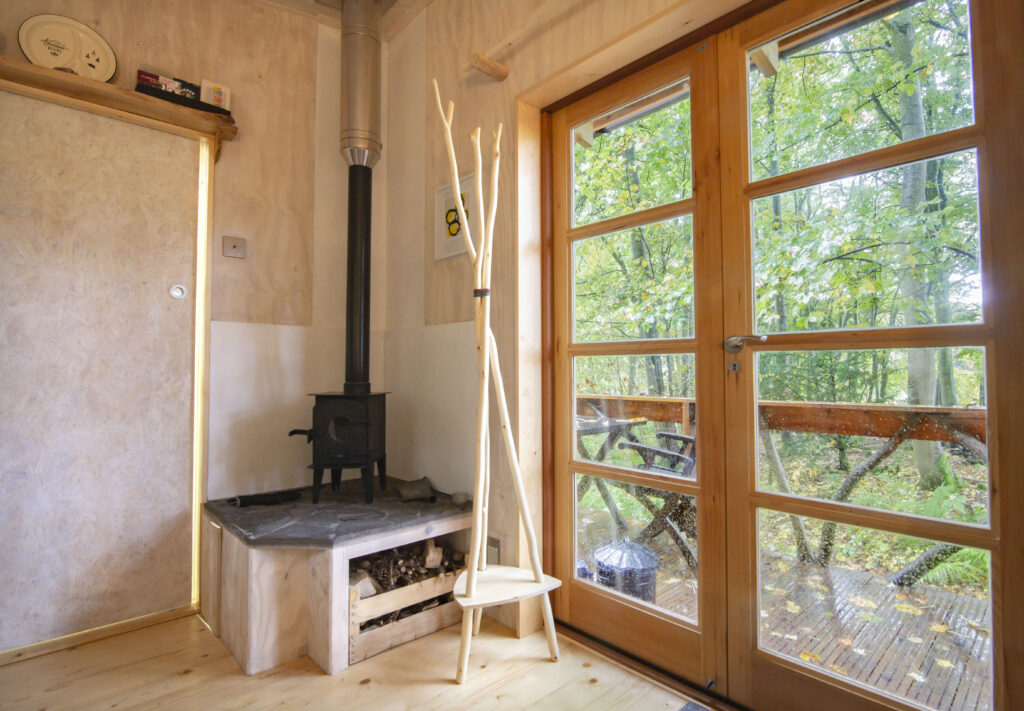
- Curtain poles and coat stands were handmade from coppiced wood
- Bathroom floors used offcuts of natural linoleum
- We rescued the slate for the hearth from the woods.
- We use bed linens and shower curtains made from recycled PET bottles.
Even the crockery has a story—some pieces were passed down from family, others sourced from local charity shops.



Water and Power
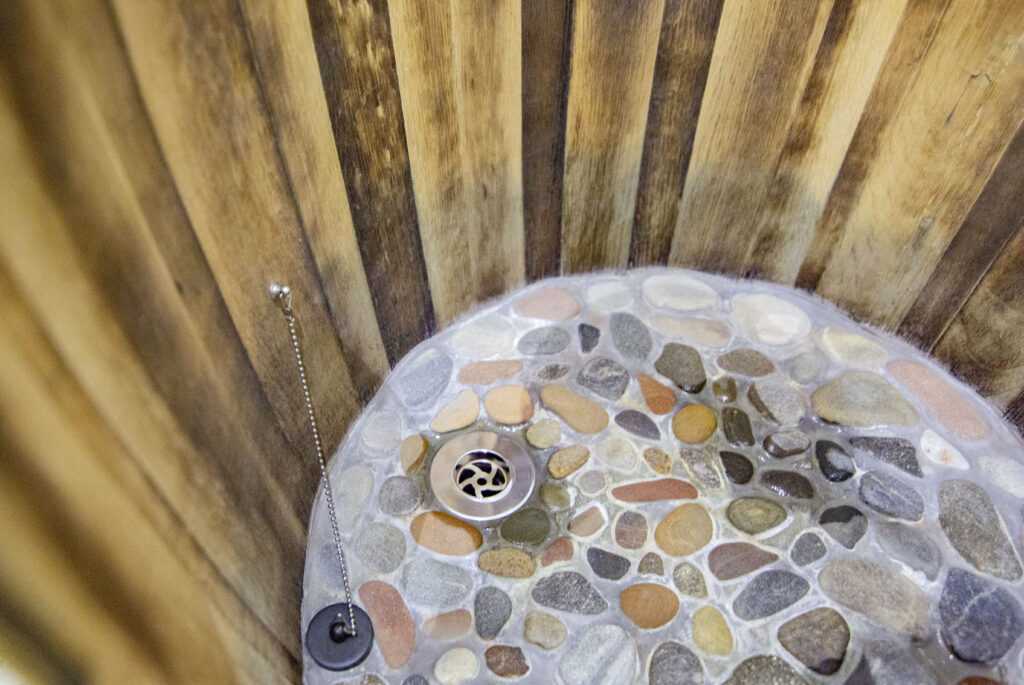
We designed the cabins to be off-grid while still offering basic comforts. A solar-charged 12v system powers the lights and USB phone chargers. Water is kept simple and minimal. A small tank supplies drinking water via foot pump. The innovative bucket shower is filled with water heated on the stove and powered by a 12v pump. Wastewater feeds into a soakaway surrounded by trees—hence our request for guests to use only natural soaps (some of which we make with calendula from our garden).
Composting Systems
Each cabin has a separating compost toilet. Liquid waste is collected and used (safely diluted) as fertiliser for trees, while solids decompose over 18 months in a chamber beneath the cabin, eventually becoming rich compost for non-edible plants.
Zero Waste and Ethical Hospitality

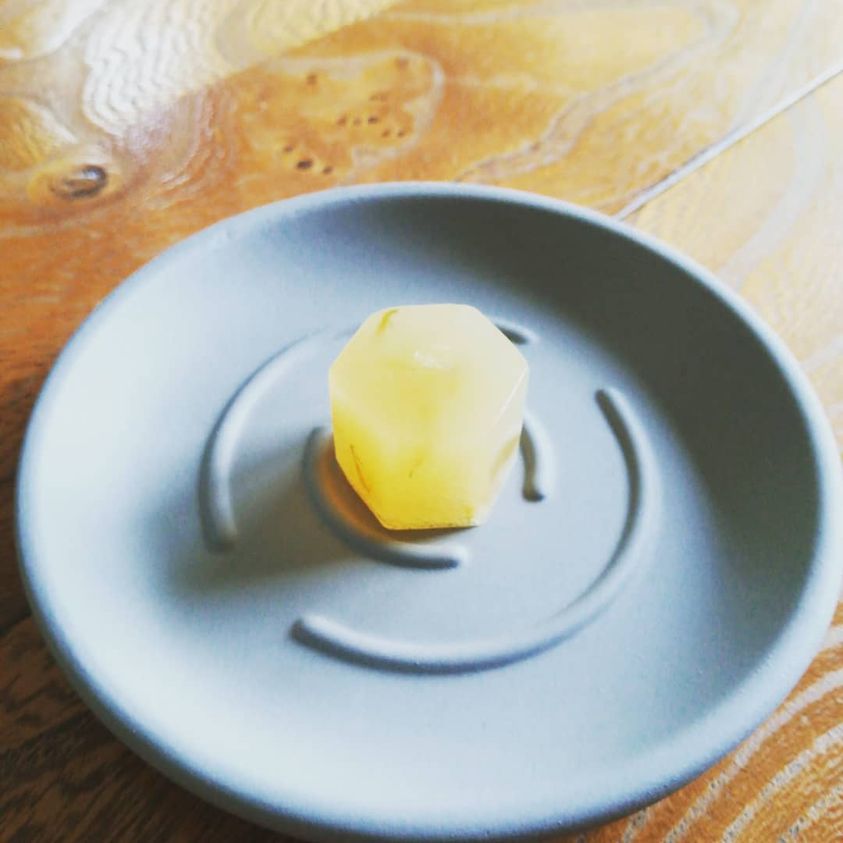
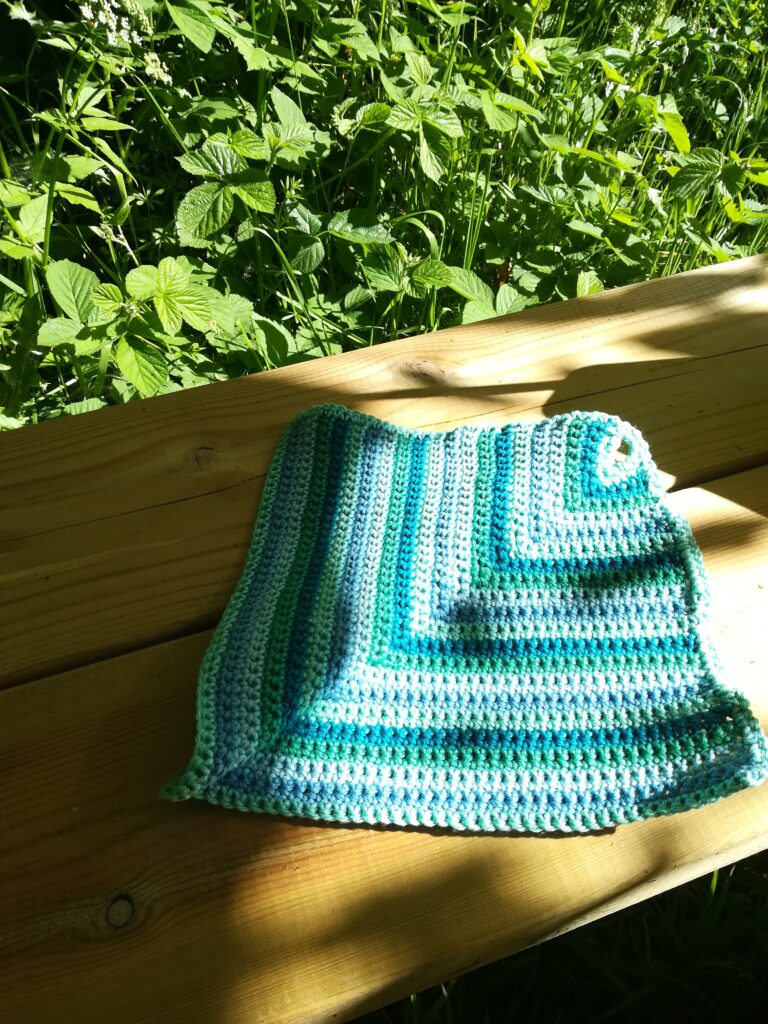
Sustainability runs through every detail of how we operate. We make ingredients for our optional breakfast hampers (including organic bread and jam), make our own soap, and provide hand-crafted cleaning cloths. Facilities for recycling and composting are provided, and our welcome pack includes resources to help you explore the Black Isle without a car.
To reflect our efforts, Green Tourism awarded us their highest Gold rating.
We also prioritise local and ethical suppliers, supporting the wider community. Our small business stands as a model for how low-impact accommodation can contribute positively to the land, local economy, and climate.
A Living Example of Regenerative Design
We built these cabins to last—not just physically, but as inspiration. We’re not suggesting that moving to a woodland and building a cabin is the answer to all our ecological challenges. However, many of the systems we use here can be adapted and applied in other settings:
- Reducing water waste with short showers and foot-pumps
- Using solar power and low energy appliances
- Composting toilets and minimising food waste
- Choosing low-impact materials with full life-cycle in mind
- Supporting biodiversity with green roofs, wildlife ponds, and forest gardens
Every element reflects our belief that earth care, people care, and future care is not just an ethic—it’s a way of living.